Getting Back to Sport After an Orthopedic Injury
Return to sport is a process, not a date. Here's how Dr. Dantzker frames the stages — for high-school athletes, weekend warriors, and everyone in between.
This guide is educational and does not replace an evaluation with a physician.
Why time alone isn't enough
Healing tissue is only one part of returning to sport. Strength, motion, neuromuscular control, sport-specific mechanics, and confidence all need to catch up before competition is reasonable. Skipping ahead is the most common reason patients re-injure themselves.
Stage 1 — Protect and restore motion
Early on, the focus is calming pain and swelling, protecting any repaired tissue, and restoring basic range of motion. For some surgeries this includes a sling or brace.
Stage 2 — Rebuild strength
Once motion is restored and pain is controlled, physical therapy progresses to strengthening — first general, then sport-specific. Endurance and core/scapular control matter just as much as raw strength.
Stage 3 — Sport-specific work
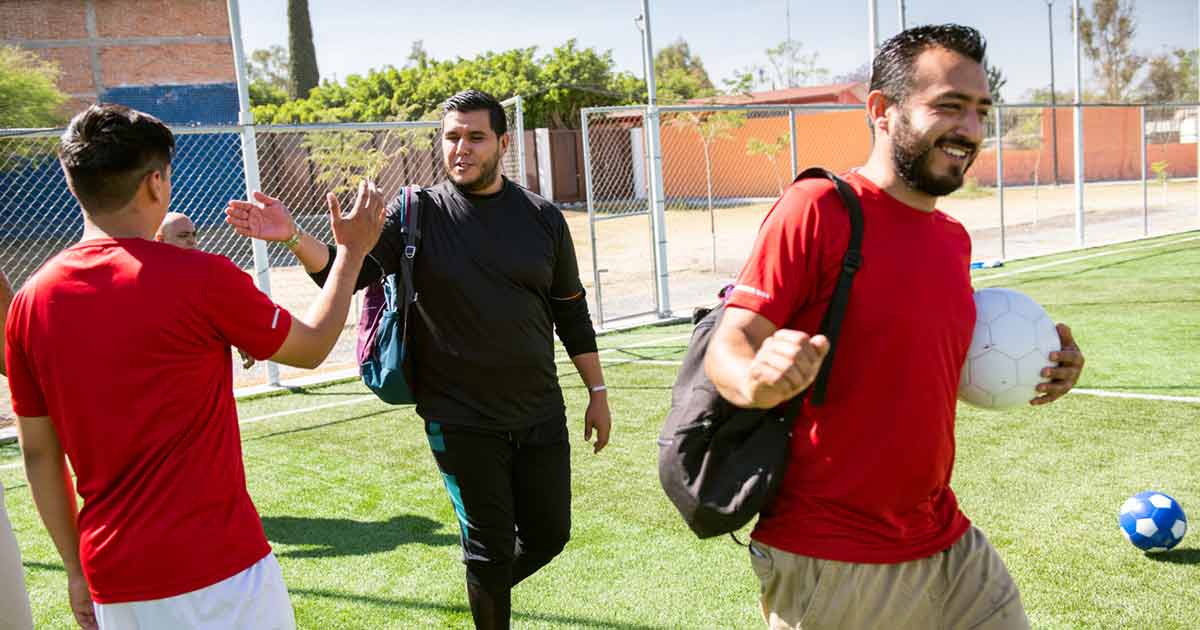
This is where rehab starts to look like the sport. For throwers, it's a structured throwing program. For runners and field-sport athletes, it's loaded cutting, change-of-direction, and reactive work. Mechanics are checked along the way.
Stage 4 — Return to competition
The last step is graduated return: practice without contact, then practice with contact, then game minutes that build over time. Milestones — not the calendar — drive each step forward.
What gets you back faster, safely
- Showing up consistently for physical therapy
- Honest communication about what's still painful or weak
- Not skipping ahead because a milestone feels close
- Sleep, hydration, and basic load management